Wordmine Development Log and iPad Drawing
Wordmine is Minesweeper, Remixed
Worpuzz has a grid like Minesweeper, but instead of mines, the grid hides words running horizontally, vertically, and diagonally. Find the last letter of a word to score it, and finding the most words wins.One day I told Claude that “Worpuzz was made by remixing Minesweeper,” and Claude assumed Worpuzz must have numbers in it. I said, “No, Worpuzz doesn’t have numbers.” But that got me thinking — “what if I made a new game by adding numbers to Worpuzz?” That’s how Wordmine was born.
Adding Numbers, Minesweeper-Style
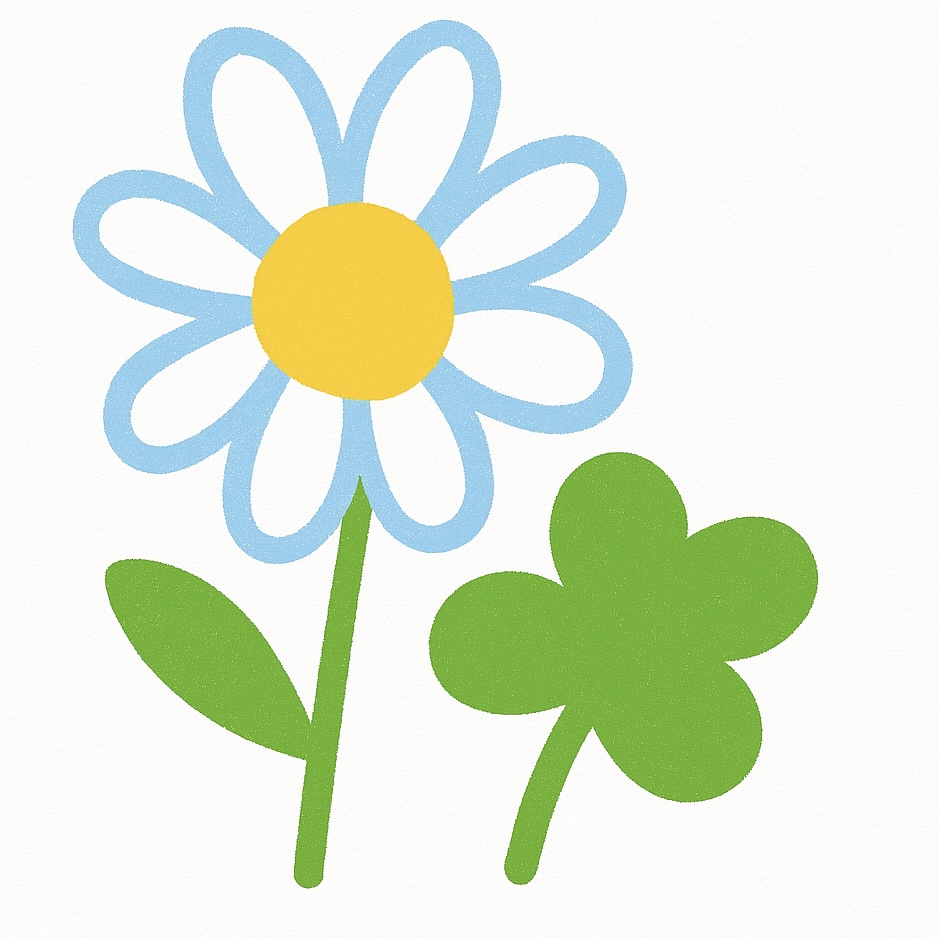
In Worpuzz Series, words are laid out horizontally, vertically, and diagonally, and the empty cells are filled with random letters. To keep those random letters from accidentally spelling real words and to keep the game moving quickly, I added clover and daisy icons — tapping one opens up the surrounding cells.In Wordmine, I removed the random filler letters entirely. Empty cells now show the count of letters in the surrounding cells, and cells with no letters nearby stay blank — just like Minesweeper — until I later decorated them with clover and daisy icons. Tapping one of those cells makes the surrounding grid open up all at once, Minesweeper-style.
Making the NPC Smarter
While testing Wordmine, the NPC didn’t know any words, so it just tapped randomly — way too weak an opponent. Real players rarely miss the chance to grab a word once only its last letter remains. So I made the NPC do the same: tap the last letter when only one remains.But for two-letter words, as soon as one letter was revealed, the NPC would immediately snap up the rest of the word — so I limited that “finish the word” behavior to words of three letters or more. Worpuzz’s word pool excludes two-letter words entirely since they’re not much fun to hunt for, but I intentionally included them in Wordmine.
While making this fix, I remembered a user once asked me to make Worpuzz harder. So I applied the same last-letter logic to Worpuzz’s NPC. Worpuzz already has an easy mode and a hard mode, so I set the easy mode to a 50% chance of the NPC grabbing the last letter, and hard mode to 100%. But since Worpuzz doesn’t have number hints like Wordmine and also mixes in random filler letters — making words harder to spot in general — I only applied this to words of four letters or more.
Drawing Images for the Platform
I quickly built Wordmine Mini, a version with a smaller grid, because Wordmine’s grid is too wide for phone screens and doesn’t work on mobile.The Worpuzz series now has 12 games, with 7 more planned, for 19 total eventually. The game names are unfamiliar to users, and since they all shared the same representative image, it was hard to tell games apart without reading the small one-line description on the card.
So I decided to give each game its own distinct image.
They look similar, almost like a spot-the-difference puzzle, but there are clear distinctions:
* Versus NPC (Worpuzz): a cat and a robot
* Two-player versus (Worpuzz Mate): two cats
* Solo play (Breeze): a cat with emojis of leaves blowing in the wind
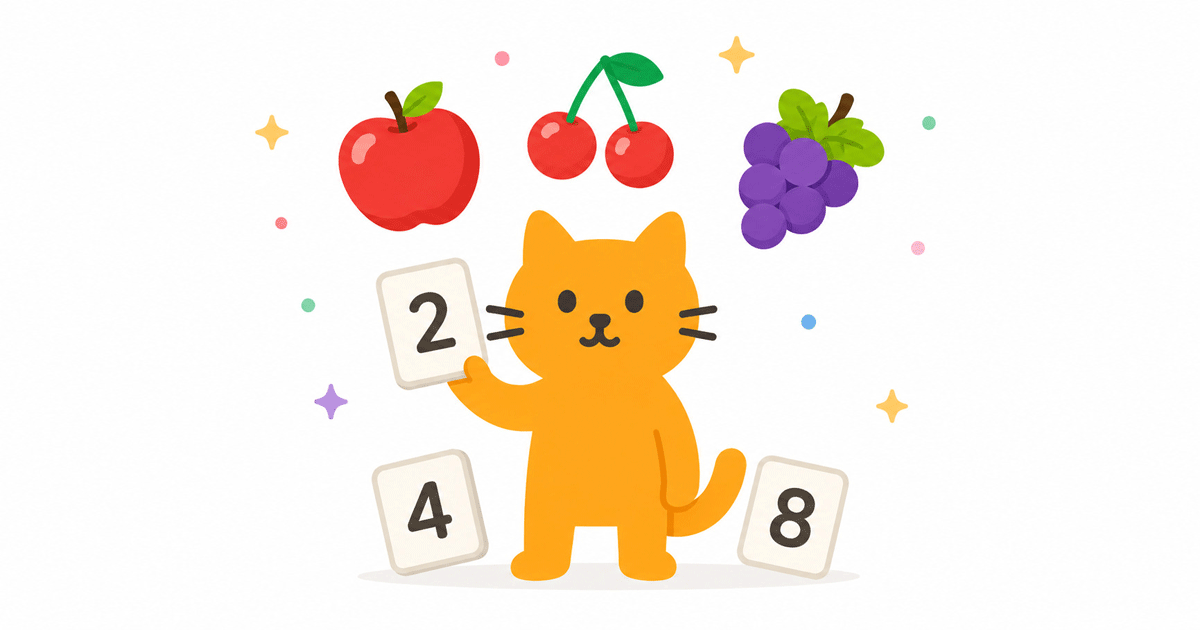
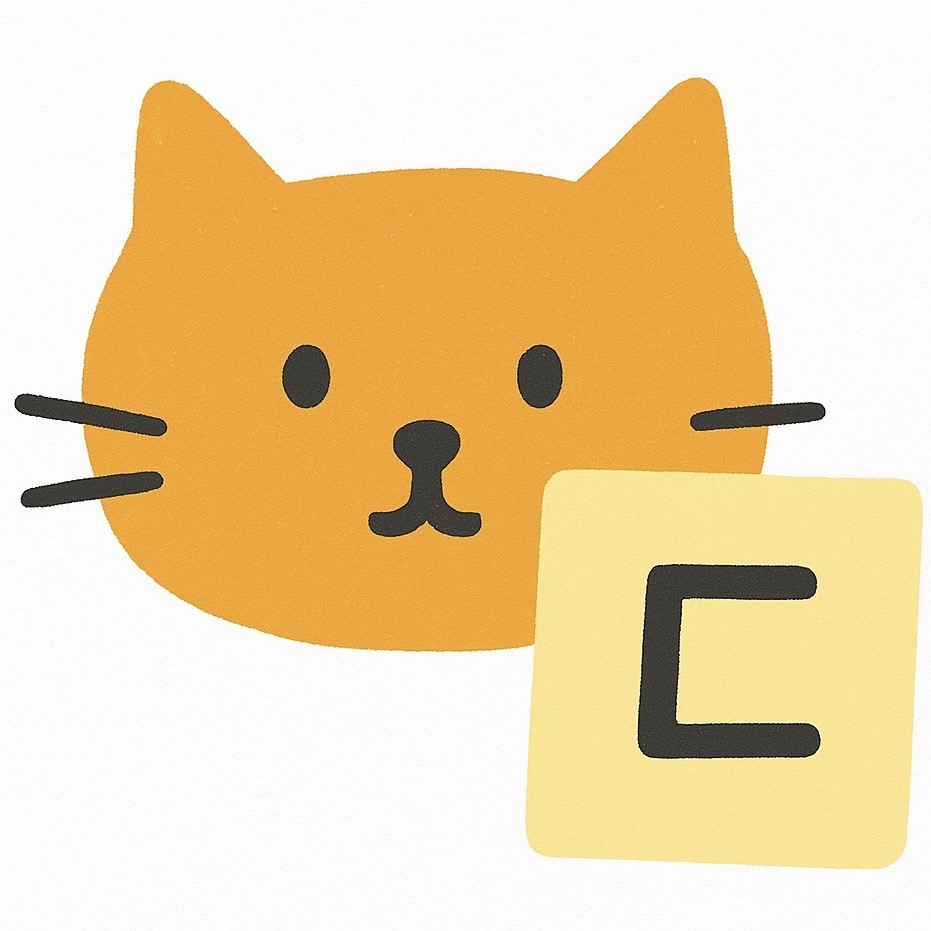
* Versus NPC with number hints (Wordmine): a cat, a robot, and numbers
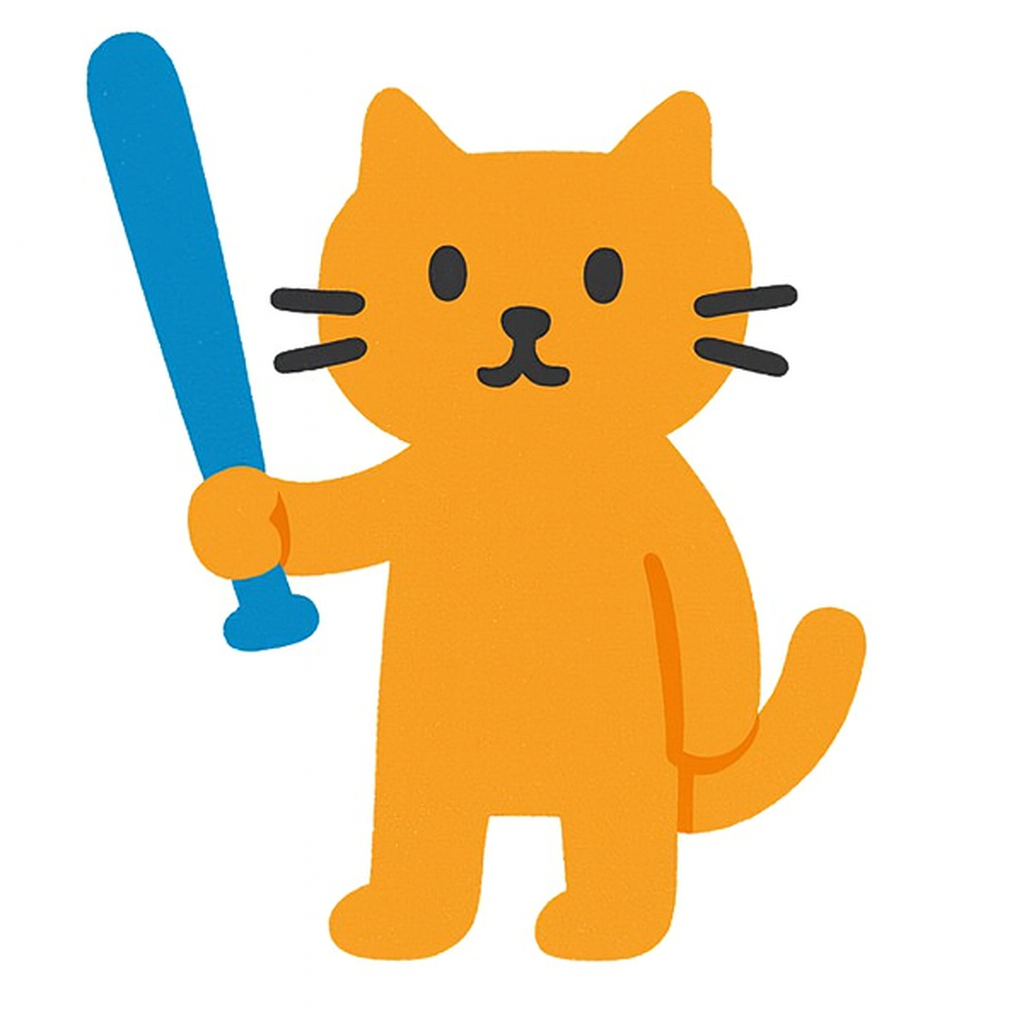
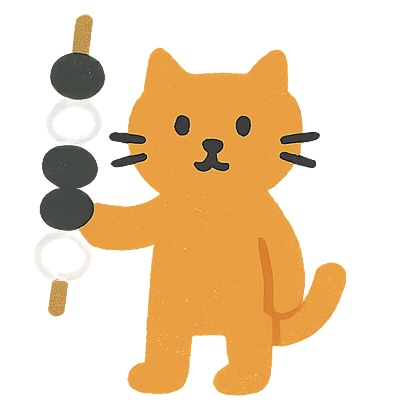
Only Wordmine uses ChatGPT’s illustration as-is; for the others, I took ChatGPT’s drawings and reworked them myself. I changed the colors and added my own drawings using Adobe Fresco — the falling leaves, mushrooms, and craters in the images below are ones I drew myself. I especially love the craters — they look like spots where a mine just burst out of the ground.


I’d always found drawing on the iPad difficult, until I accidentally discovered that resting the side of my hand on the screen while using the Apple Pencil doesn’t register as a touch.


Going forward, whenever game development gives me a headache, I can take a break by drawing. I’m also planning to try drawing some 2:1 images for Twitter.
Since each game has a different grid size, I have to calculate what percentage of the grid should be filled with words — 50% for the Worpuzz series, 35% for the Wordmine series — and figure out how many words of each length to include accordingly.
Some word pools divide evenly; others don’t divide cleanly at all. Being off by 2–3 letters isn’t a big deal.
Easy case: Need 30 letters total — 100 ten-letter words, 100 eleven-letter words, 100 nine-letter words. Just pick one word from each length group.
I’ll add this two days later. I originally had a tool that counted the number of words per letter length. I added a feature to it that calculates how many words of each length are needed to hit a target letter count. Now the process takes about a third of the time it used to.
* Two-player versus (Worpuzz Mate): two cats
* Solo play (Breeze): a cat with emojis of leaves blowing in the wind
* Versus NPC with number hints (Wordmine): a cat, a robot, and numbers
Only Wordmine uses ChatGPT’s illustration as-is; for the others, I took ChatGPT’s drawings and reworked them myself. I changed the colors and added my own drawings using Adobe Fresco — the falling leaves, mushrooms, and craters in the images below are ones I drew myself. I especially love the craters — they look like spots where a mine just burst out of the ground.

My own Breeze illustration

ChatGPT’s Wordmine illustration
Once I started resting my hand on the screen while drawing, my lines came out much less crooked. I’m still a beginner, so my line width keeps shifting with pen pressure — but drawing too cleanly loses that handmade feel, so I’ve decided to just keep it as is.
Drawing turned out to be so much fun that I ended up drawing a version of the Triterra image that had been sharing ChatGPT’s Trinkle illustration.
Drawing turned out to be so much fun that I ended up drawing a version of the Triterra image that had been sharing ChatGPT’s Trinkle illustration.

My own Triterra illustration

ChatGPT’s Trinkle illustration
Building the Word Pool
The word lists I sourced from the Oxford English Dictionary only covered A1 through C1, so I decided I wanted to add some harder words too. I asked Claude for a word list, and that’s how the 1,200-word “C2 GRE Expert” pool was born.Since each game has a different grid size, I have to calculate what percentage of the grid should be filled with words — 50% for the Worpuzz series, 35% for the Wordmine series — and figure out how many words of each length to include accordingly.
Some word pools divide evenly; others don’t divide cleanly at all. Being off by 2–3 letters isn’t a big deal.
Easy case: Need 30 letters total — 100 ten-letter words, 100 eleven-letter words, 100 nine-letter words. Just pick one word from each length group.
But usually word pools aren’t laid out that neatly.
Here’s a simplified example of a harder case:
* Need 30 letters
* 10-letter words: 100 available
* 11-letter words: 100 available
My solution:
* 1 word from 67 ten-letter words
* 1 word from 67 eleven-letter words
* 1 word from a combined pool of 33 ten-letter + 33 eleven-letter words
* Need 30 letters
* 10-letter words: 100 available
* 11-letter words: 100 available
My solution:
* 1 word from 67 ten-letter words
* 1 word from 67 eleven-letter words
* 1 word from a combined pool of 33 ten-letter + 33 eleven-letter words
In reality, words ranging from 3 to 14 letters aren’t nearly as conveniently arranged as this example. I had to shuffle words around repeatedly so every word got a fair(?) chance of appearing. The math got complicated enough to give me a headache, but it was fun. While building Wordmine’s word pool, I even found errors in Worpuzz’s existing word pool and ended up double-checking all of it too.
I’ll add this two days later. I originally had a tool that counted the number of words per letter length. I added a feature to it that calculates how many words of each length are needed to hit a target letter count. Now the process takes about a third of the time it used to.
🪄 Written by Soosoo, translated by Claude
댓글